
Free written scope consultation - allowances, timeline, and change-order rules on paper before a single trade is scheduled
Silestone Home Additions & ADU: The Los Angeles Owner’s Guide
Silestone surfaces in a home addition or ADU run about $53,100 to $153,400 installed in Los Angeles when the project includes framing, drywall, electrical, plumbing, and finish surfaces. We stock Silestone-compatible slab remnants and full sheets, and our crews handle the countertop portion of additions and ADUs as part of the larger build. Most owners discover they need new Silestone when a seam separates at the cooktop or sink cutout, or when a corner chips during a kitchen island move inside the new space.
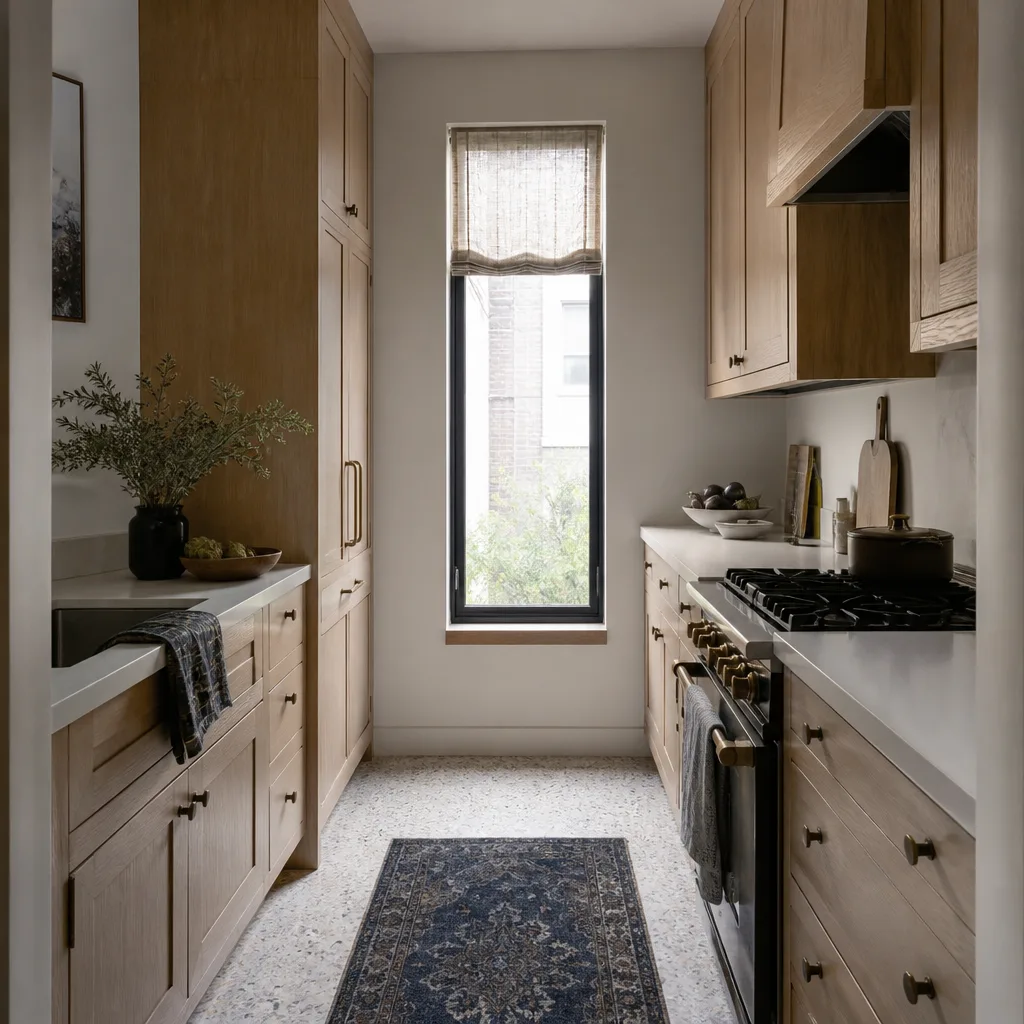
Here’s the reality in Los Angeles: ADU kitchens are compact, which means tight-radius cuts and narrow overhangs. Silestone’s quartz composition handles that well, but only if the fabricator knows the material. We do. If you’re pricing an ADU kitchen or a home addition with Silestone counters, this page gives you the numbers, the compatibility details, and what to expect from start to finish.
Which Silestone Models This Applies To
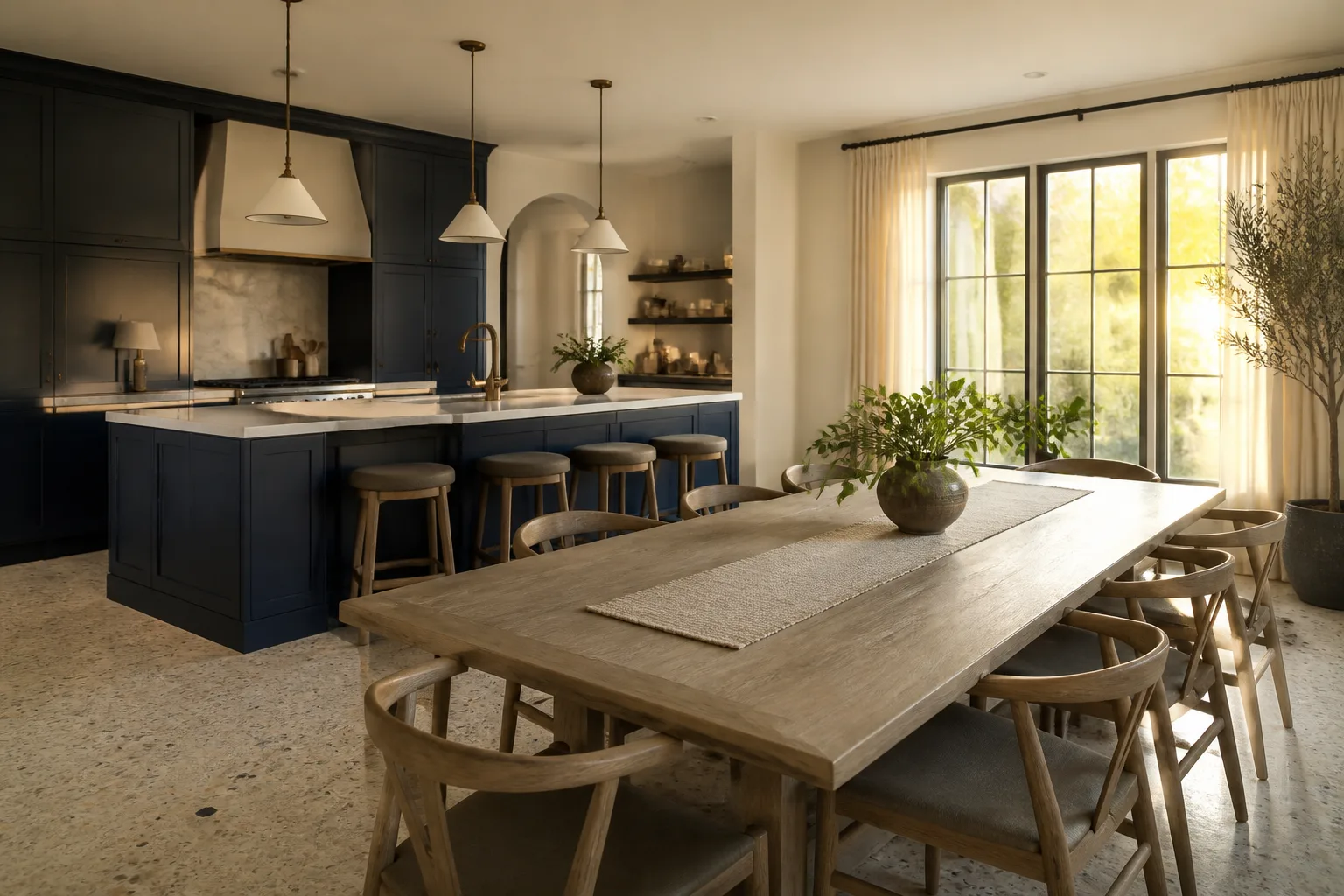
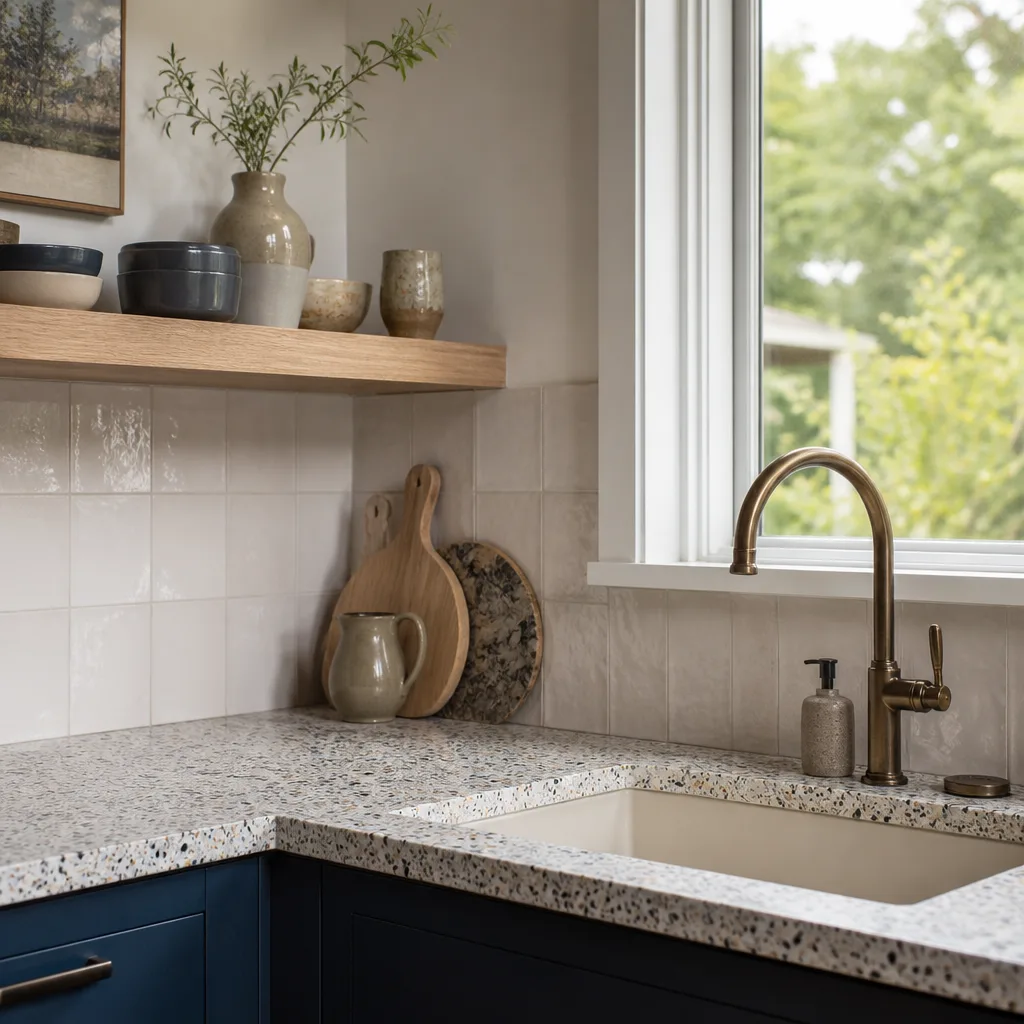
Silestone runs three primary lines that show up in Los Angeles additions and ADUs: the Classic series (the workhorse, most common in rental ADUs), the Ethereal series (wider veining, softer color movement), and the Loft series (industrial, matte finish). All three are 20mm or 30mm thick quartz slabs. The 20mm is lighter and cheaper to support, which matters when you’re building a galley kitchen in a converted garage with a 2×6 wall assembly. The 30mm gives you a thicker edge profile but adds roughly 15 to 20 percent to material cost.
Here’s the compatibility gotcha most owners hit: Silestone changed its edge profile options in 2022 for the Ethereal line, and not every fabricator’s CNC templates updated with it. If you’re matching a new Silestone island to an existing Silestone run from before 2022, the eased edge radius is slightly different. You need a fabricator who measures the existing profile, not one who assumes. That’s a five-minute check that prevents a visible mismatch. On the OEM-versus-aftermarket question for Silestone specifically: there’s no aftermarket “Silestone” product. Silestone is a proprietary quartz brand. What you do have is a decision between genuine Silestone slabs and other quartz brands with similar color profiles. We install both, and we’ll tell you honestly when a Cambria or Caesarstone quartz gets you the same look for 10 to 15 percent less.
Styles & brands we work with







Signs Your Silestone Home Additions & ADU Is Failing
Most ADU counters don’t fail all at once. They fail slowly, and the signs are easy to miss when you’re not living in the unit daily. Here’s what we see across Los Angeles:
- Seam separation at the sink or cooktop cutout. Quartz expands and contracts with temperature swings. Los Angeles ADUs without HVAC running consistently see wider swings than main-house kitchens. The seam filler cracks, water gets under the edge, and the seam darkens. It starts as a hairline and widens over a year.
- Chipped corners on the island overhang. ADU kitchens are tight, and foot traffic clips the island corner constantly. Silestone is dense and chip-resistant, but a 90-degree corner with zero radius will chip under enough chair or hip contact. A 1/4-inch radius edge fixes this and costs almost nothing at fabrication.
- Dull patches near the cooktop. Quartz resists heat, but not indefinitely. Repeated hot pan contact degrades the resin binder. You’ll see a cloudy patch that no cleaner removes. That’s not a stain. That’s material breakdown.
- Counter overhang sagging at the bar seating area. If the overhang exceeds 12 inches without steel supports, the slab deflects. On a 20mm Silestone sheet, that deflection eventually cracks the stone. We add hidden steel brackets during install; many ADU builders skip them to save $200.
- Discoloration around the sink flange. Undermount sinks in ADUs trap alkaline water against the quartz edge. Over time, hard water minerals etch the surface and discoloration spreads outward. Sealing the edge annually prevents this, but almost nobody in a rental ADU does it.
See the difference
 Before
 After
After Before
 After
After Before
 After
AfterReplacement Cost & What’s Included
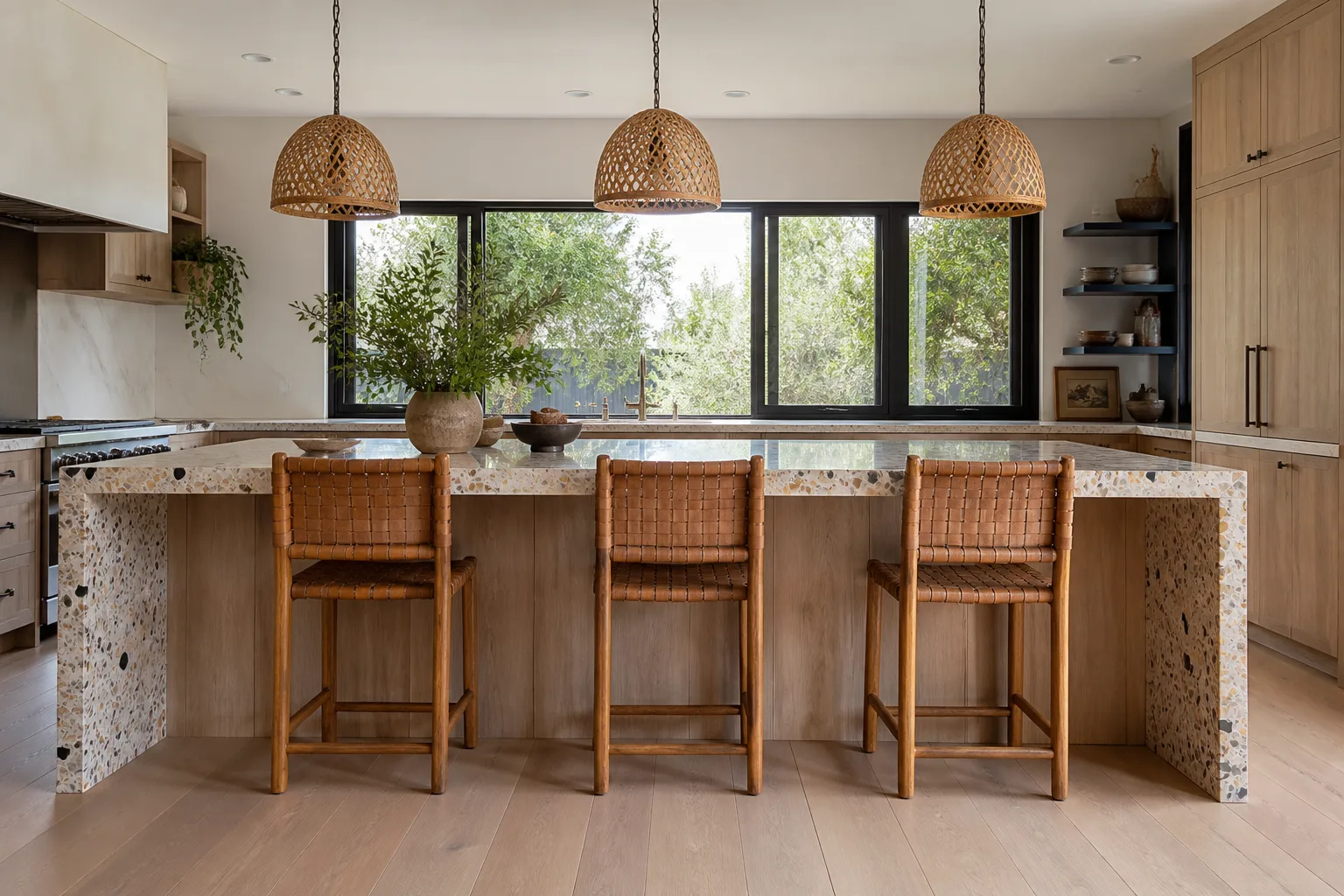
For a full home addition with Silestone counters, the installed range in Los Angeles runs $53,100 to $153,400. That’s the whole addition: framing through finish, with Silestone as the specified surface. If you’re doing an ADU, the full build range is $106,200 to $259,600, with the Silestone countertop portion typically sitting between $2,360 and $7,670 for a compact ADU kitchen.
What drives the range? Square footage first, then site conditions. A detached ADU in the San Fernando Valley with easy crane access costs less than a hillside ADU in Mount Washington where every slab gets carried by hand. Silestone slab selection matters too: Classic series runs less than Ethereal or Loft. Every quote from us is a written line-item price before work starts. No verbal estimate that grows. The Silestone installation carries our 365-Day Done Right Promise: if the surface, seams, or edges are not right within one year of completion, we fix it at no cost. The warranty on the Silestone material itself comes from Cosentino, the manufacturer, and covers 25 years against manufacturing defects.
DIY or Call Us?
You can safely measure your existing counters, note the Silestone series and color code printed on the slab underside, and compare seam locations. That information helps us price your job accurately before we visit. What you should not do is attempt to cut, polish, or reseam Silestone yourself. Quartz dust is silica. Cutting it without proper water suppression and respirator protection is a genuine health risk, and a cracked slab from a bad cut costs more to replace than the labor you’d save. We’ve also seen homeowners drop Silestone slabs trying to move them. A 20mm sheet weighs roughly 13 pounds per square foot. A standard island top exceeds 300 pounds. It takes trained hands and proper suction rigs.
If you’re pricing a Silestone countertop or a full ADU build in Los Angeles, call us at (213) 632-5711. We’ll give you a written number, tell you who’s coming, and show up with a photo ID badge at the door. That applies to every job, every time.
FAQs
Silestone in a Los Angeles ADU typically lasts 20 to 30 years with proper care, though seams often need resealing every 5 to 7 years due to temperature cycling in unconditioned or minimally conditioned spaces. Hard water and direct UV exposure through ADU windows accelerate edge wear. Call (213) 632-5711 if you’re seeing early wear and want an honest assessment of whether it’s surface or structural.
A crack in Silestone can sometimes be filled and color-matched if it’s a hairline at the seam or edge, but structural cracks through the slab mean replacement, especially on overhangs and sink rails. We assess the crack location and stress points before recommending a repair, because a filled crack under load just reopens. Call (213) 632-5711 and we’ll tell you which path applies to your counter.
A Silestone countertop swap in a typical Los Angeles ADU kitchen takes one day for template, three to five days for fabrication, and one day for install, so plan on about a week from start to finished surface. The existing counter removal is included in that timeline and typically runs a half day. Call (213) 632-5711 to schedule the template visit and get a firm date.
We maintain relationships with local Los Angeles slab yards that stock Silestone, Cambria, and Caesarstone quartz, and we pull slabs for your project directly, so you don’t order anything yourself or wait on shipping. We’ll match your existing Silestone color code or help you pick from in-stock options and give you the per-slab price in writing before you commit. Call (213) 632-5711 and we’ll check slab availability for your color.
Written by Isaac Pruett, Owner, Mason Remodeling Co at Mason Remodeling Co Los Angeles, serving Los Angeles and nearby areas.


