
Free written scope consultation - allowances, timeline, and change-order rules on paper before a single trade is scheduled
American Standard Home Additions & ADU: The Los Angeles Owner’s Guide
If you own an American Standard home addition or ADU in Los Angeles and a component has failed, you’re looking at an installed replacement cost between $53,100 and $153,400 depending on scope, square footage, and what actually failed. We stock American Standard-compatible parts and components on our trucks for most common failures, and we can typically diagnose and quote the same day. Most owners discover the problem through water intrusion at a seam, a door or window that no longer seals, or framing that’s shifted after an earthquake.
The failure usually isn’t the whole structure. It’s a specific part: a flashing detail, a window unit, a door threshold, a piece of siding or trim, or a connection point where the addition ties into the original house. That’s good news, because replacing a component costs a fraction of rebuilding, and it’s usually a one-day to one-week job depending on what’s involved.
We’re an independent Los Angeles contractor, not affiliated with American Standard. That means we work on American Standard products every week, but we’re not tied to their pricing or their timeline. We tell you what’s actually wrong, what it costs, and whether an OEM part or a quality equivalent makes more sense for your situation.
Which American Standard Models This Applies To
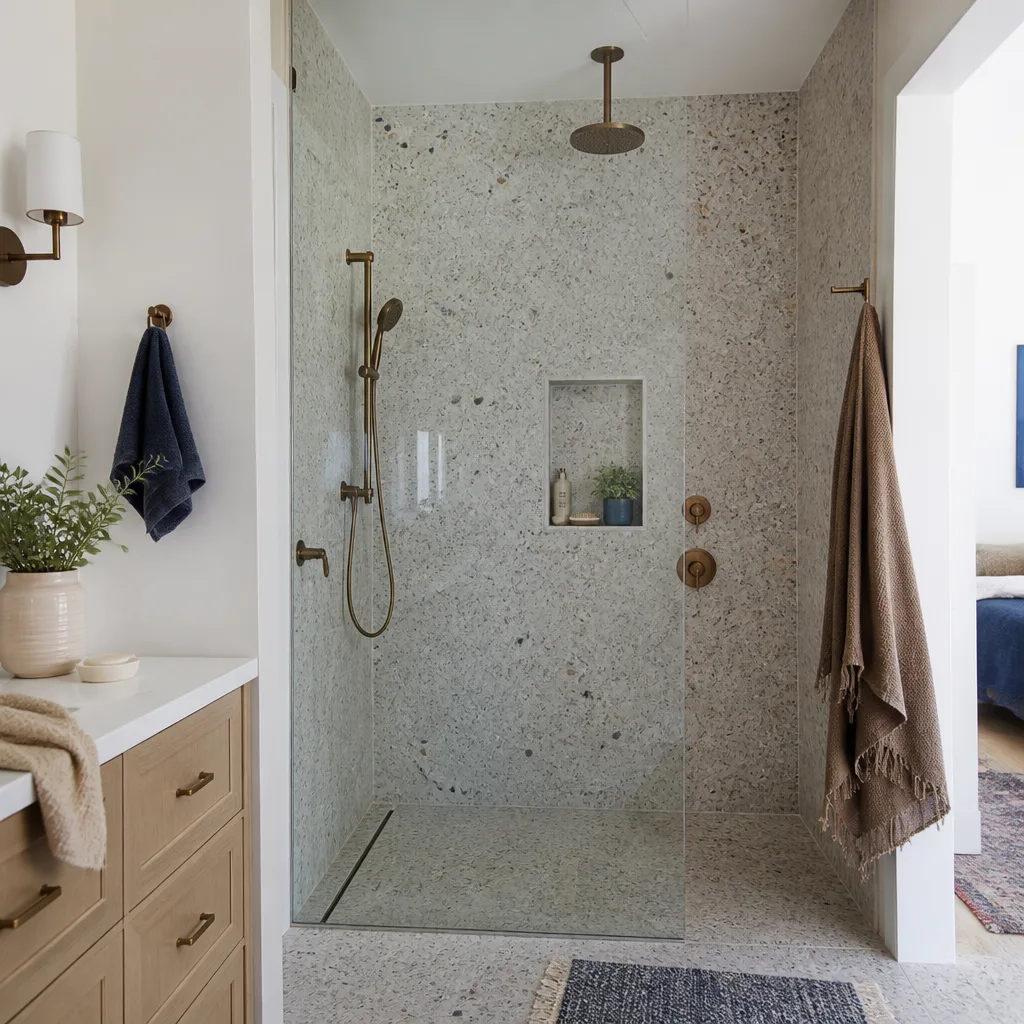
American Standard’s home addition and ADU product lines cover a wide range of configurations: attached and detached ADUs, garage conversions, second-story additions, and bump-out room extensions. The parts that fail vary by what you have, but the compatibility question almost always comes down to how the addition was anchored and flashed when it was built.
The critical spec to check is the connection detail where your addition meets the original structure. American Standard additions built after 2016 typically use a separated seismic joint with a flexible sealant system, while earlier models often used a rigid tie-in. That matters because the repair parts are different: a rigid tie-in that’s cracked needs structural strapping and re-anchoring, while a failed seismic joint needs replacement sealant and backer rod. If you have the original permit or plan set, look for the detail page labeled “ADJ-2” or “ADD-CONN.” If you don’t have the plans, we can identify the system on site.
For windows and doors in American Standard additions, the brand stamped on the glass or the paperwork matters less than the rough opening size. We measure the actual opening, not the old unit. American Standard used a range of suppliers over the years, so the “right” part is the one that fits your opening and meets California Title 24 energy code, not necessarily the one with the same label. We carry OEM American Standard trim and seal components on our trucks, plus quality aftermarket equivalents for windows, doors, and flashing when they’re the better value.
Styles & brands we work with







Signs Your American Standard Home Addition or ADU Is Failing
- Water staining at ceiling or wall corners. This almost always points to a failed flashing detail at the roof-to-wall connection. The sealant breaks down in Los Angeles sun and heat, water works in, and the stain shows up weeks later.
- Doors or windows that stick or won’t latch. Los Angeles soil expands and contracts with the wet-dry cycle. When the ground moves, addition framing can shift a quarter inch. That’s enough to throw a door out of square.
- Cracks at the drywall seam where the addition meets the original house. This is the seismic joint working. Small hairline cracks are normal after a quake. Cracks wider than a nickel, or cracks that reopen after being patched, mean the connection detail has failed.
- Floor feels soft or springy in one spot. Water has gotten into the subfloor, usually through a failed threshold or a window that’s been leaking behind the trim. By the time you feel it underfoot, the damage is already done.
- Musty smell that doesn’t go away. This is trapped moisture in a wall cavity or under flooring. It’s the slowest of the warning signs and often the most expensive, because by the time you smell it, the affected area usually needs to be opened up and dried out, not just sealed.
See the difference
 Before
 After
After Before
 After
After Before
 After
AfterReplacement Cost & What’s Included
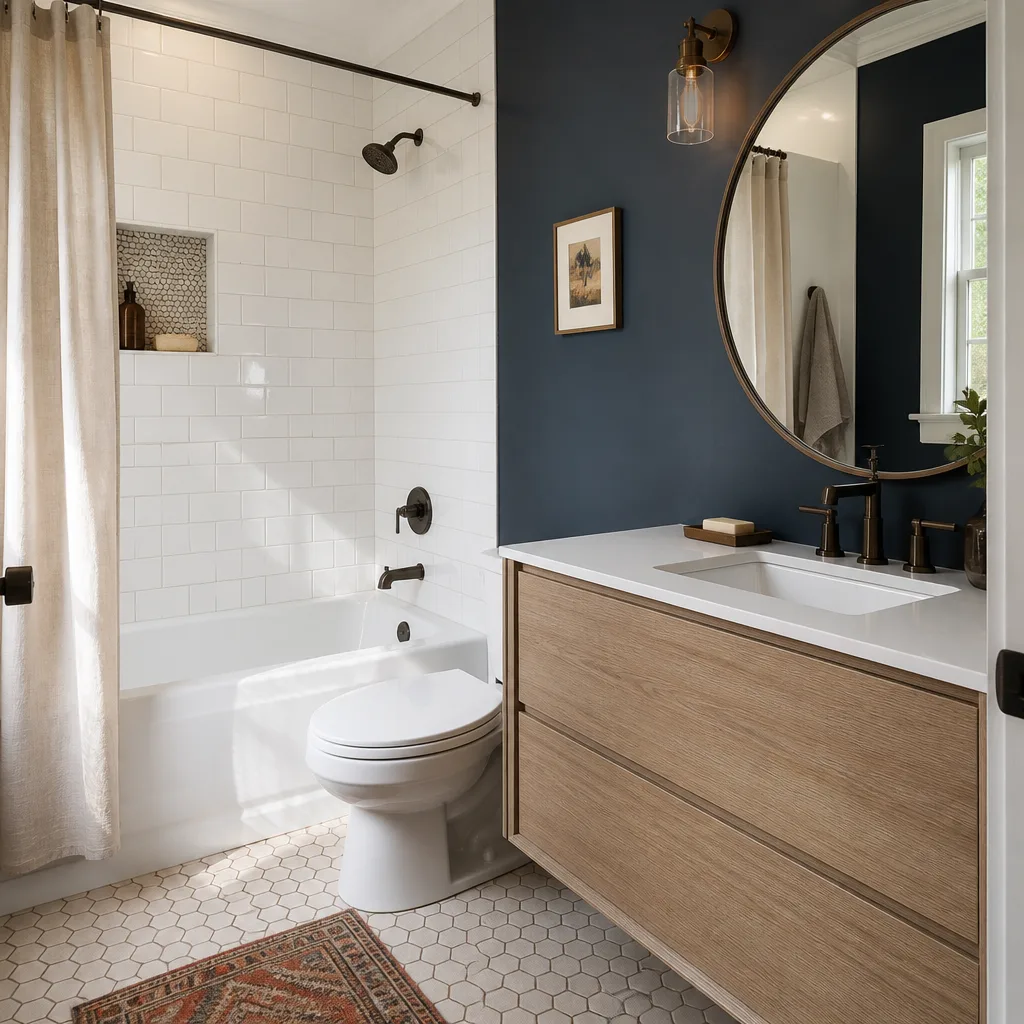
In Los Angeles, replacement work on an American Standard home addition or ADU typically falls between $53,100 and $153,400 installed. That’s the range for substantial component replacement: a failed roof-to-wall tie-in, a full window or door replacement, subfloor repair, or re-flashing and re-sealing the entire connection perimeter. Smaller isolated repairs cost less. A single failed window might run $5,310 to $17,700. A doorway threshold replacement is usually under $2,000. The big number range applies when multiple components failed together, which is common once water has been working for a while.
Every quote from us includes the parts, the labor to remove the failed component, disposal of the old material, installation of the replacement, and whatever patching and finishing is required to make it look original. You get a written price before any work starts, and that price doesn’t change unless we find hidden damage and you approve the additional work in writing. No change orders you didn’t sign off on.
Warranty: our work is covered for 365 days from the completion date. If anything we installed fails in that window, we come back and fix it at no charge. No dispute process, no conditions. The manufacturer’s warranty on the parts themselves is separate, and we’ll walk you through what’s covered and for how long before you buy anything.
DIY or Call Us?
Here’s the honest split. There are things you can safely do yourself: resealing a small gap in siding or trim with exterior caulk, checking for obvious gaps around window frames, clearing debris from a roof scupper. That’s maintenance, not repair.
What you shouldn’t do yourself is anything involving the structural connection between the addition and the original house, any window or door replacement that affects the building envelope, or any subfloor work. These are load-bearing, weather-sealing, and safety-critical systems. Done wrong, you get water damage you can’t see, a door that fails to lock properly, or a floor that’s not structurally sound. None of that is worth saving a few hundred dollars.
If you’re not sure what you’re looking at, call us at (213) 632-5711. We’ll tell you over the phone whether it’s something you can handle or something we should come see. Estimates are free.
FAQs
Flashings and exterior seals typically last 10 – 15 years in Los Angeles before the sun and temperature swings break them down. Windows and doors can last 20 – 30 years if they were installed correctly, but the seals around them fail much sooner. Framing lasts as long as it stays dry. The problem is usually water getting where it shouldn’t, not age itself. Call (213) 632-5711 and we’ll tell you what condition yours are in.
Sometimes. A section of flashing can be patched and resealed. A sticking door can often be re-shimmed. A small drywall crack can be patched. But if the underlying cause isn’t fixed – water getting past the seal, a foundation that’s moving, a subfloor that’s rotted – the repair won’t hold. We’ll tell you straight whether a patch makes sense or whether replacement is the cheaper long-term move. Estimates at (213) 632-5711 are free and come with a written price.
Most single-component replacements – one window, one threshold, one flashing detail – take one day on site. A full perimeter re-flash or a subfloor repair typically takes two to four days. Something like a complete window and door replacement across an ADU can run a week. You’ll get a written timeline with your quote, and it’s a timeline we actually hit.
We stock the most common sealants, flashing materials, shims, thresholds, and trim components on our trucks when we come out. For windows, doors, and structural hardware, we source from our supply partners and have them on site within a few days. If you need something specific, call (213) 632-5711 and we’ll confirm availability before we schedule the visit.
Know who’s coming, know what it costs, know it’s guaranteed – everything else is just noise.
Written by Isaac Pruett, Owner, Mason Remodeling Co at Mason Remodeling Co Los Angeles, serving Los Angeles and nearby areas.


