
Free written scope consultation - allowances, timeline, and change-order rules on paper before a single trade is scheduled
IKO Home Additions & ADU: The Los Angeles Owner’s Guide
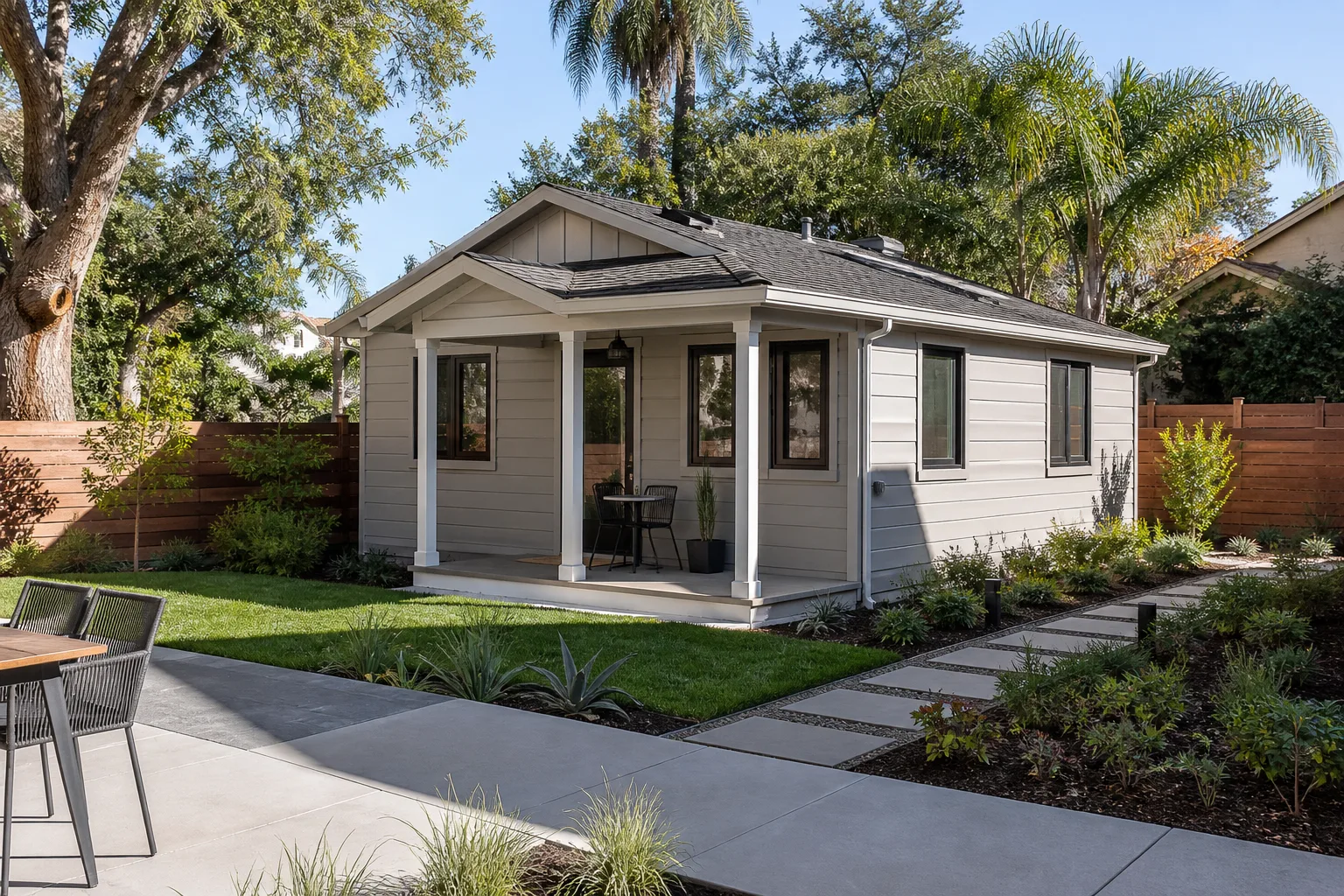
IKO home additions and ADU construction in Los Angeles typically runs $53,100 to $153,400 installed, depending on square footage, foundation work, and whether you’re building up or out. We install IKO roofing and building envelope products on additions and accessory dwelling units across Los Angeles County, and we carry the common IKO components on our trucks so we’re not making you wait on a supply-house run mid-project. Most owners realize something’s wrong when they spot water staining on a ceiling at the addition’s roofline, or when the garage-conversion permit inspection flags a roof deck that doesn’t meet current Los Angeles building code for drainage and underlayment.
If you’re reading this, you probably have an IKO-specified roof, underlayment, or flashing detail that’s failing, or you’re about to build an addition and want to know whether the IKO products spec’d on your plans will hold up here. Either way, here’s what we’ve learned from nearly two decades of Los Angeles additions work: the IKO product itself is rarely the weak point. It’s almost always the transition detail where the new roof ties into the existing structure, or where the ADU wall meets the main house.
Which IKO Models This Applies To
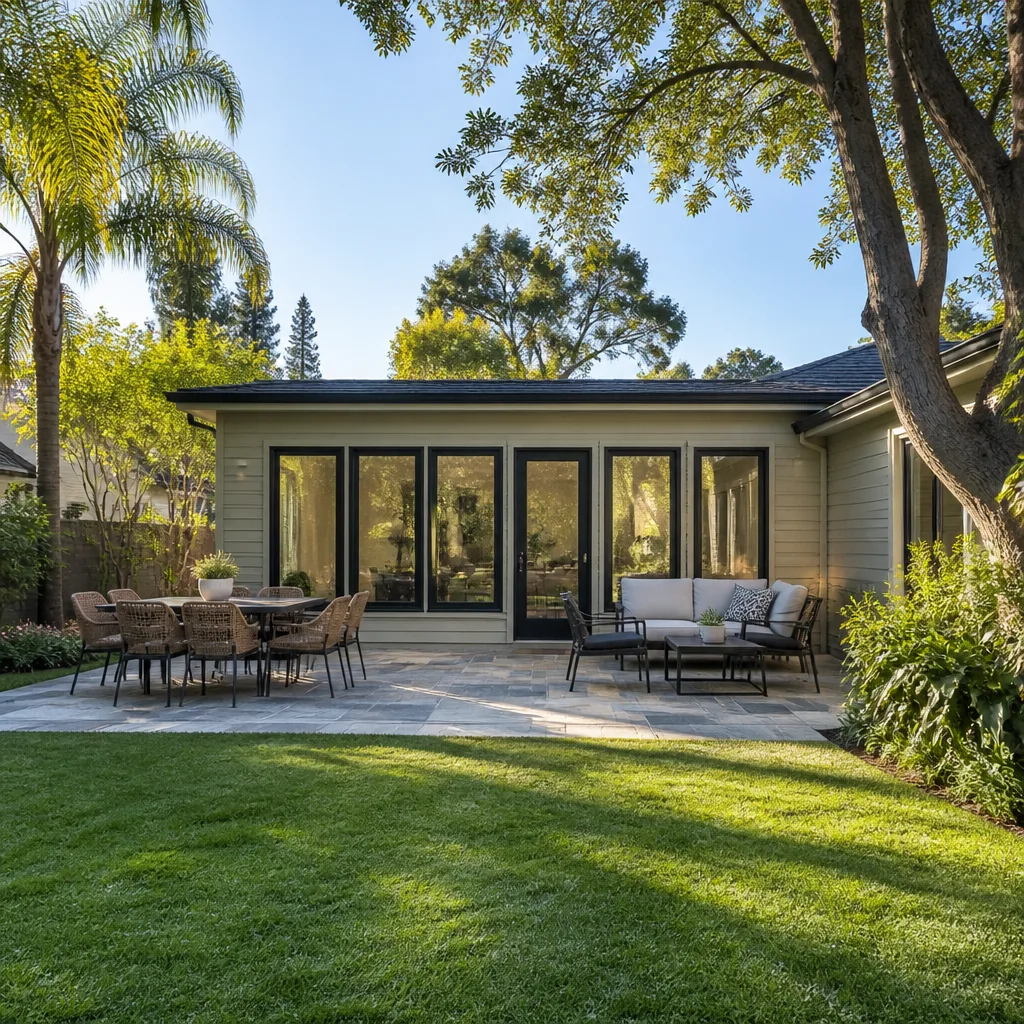
Most Los Angeles additions and ADUs we work on use IKO’s Cambridge or Dynasty architectural shingle lines, with IKO’s RoofGard underlayment or a peel-and-stick ice-and-water shield at the eaves and valleys. If you’re mid-project or looking at a failing addition roof, the first thing to do is check the shingle packaging label or the permit submittal sheet. IKO products carry a manufacturing code printed on the wrapper that tells you the series, color, and production run. If the original packaging is long gone, measure a shingle: IKO Cambridge runs 13¼ inches wide with a 5⅝-inch exposure, and Dynasty runs slightly wider with a heavier mat. Getting the series wrong means a visible mismatch at the tie-in line, and Los Angeles sun fading makes that mismatch permanent within two summers.
On the OEM-versus-aftermarket question for IKO specifically: IKO’s warranty is only as good as the full system. Mixing an aftermarket ridge cap or starter strip with IKO field shingles voids the manufacturer’s wind warranty, and we’ve seen insurance adjusters in Los Angeles flag that on storm claims. We spec OEM IKO accessories on IKO systems, and we tell any homeowner with a failing patch job on an IKO addition roof that a third-party product is usually why it failed early.
We are an independent Los Angeles contractor. We’re not affiliated with IKO, and nothing on this page comes from IKO’s marketing department. It comes from installs, inspections, and the occasional warranty-claim conversation.
Styles & brands we work with







Signs Your IKO Home Additions & ADU Is Failing
- Water staining at the tie-in line where the addition roof meets the original house. This is the number one failure point on Los Angeles additions, and it’s almost never the IKO shingles. It’s a step-flashing detail that got lapped wrong, or an old valley that wasn’t cleaned before the new material went on.
- Granule loss that’s heavier on the south and west roof slopes. Los Angeles sun is brutal on asphalt shingles, and IKO products lose surface granules faster on sun-exposed planes. If you can see bare mat or a gray haze washing down your gutters, the roof deck is next.
- Raised or tented shingles at the ridge of a small ADU. Small roof planes heat up and cool down fast. When a ridge cap was nailed too tight or the underlayment wasn’t allowed to relax, you get tenting that lets wind-driven rain under the cap.
- Condensation or damp drywall in the ADU ceiling, not the walls. That points to underlayment that’s trapping moisture against the sheathing, which is common when a Los Angeles garage conversion gets a new roof deck over an old, unvented rafter cavity.
- Curling shingle edges within the first five years. IKO’s warranty covers manufacturing defects, but installation errors void it. Curling on a new addition usually means the shingles went down on a hot day without proper nailing, or the deck wasn’t dry enough when the underlayment was rolled.
See the difference
 Before
 After
After Before
 After
After Before
 After
AfterReplacement Cost & What’s Included
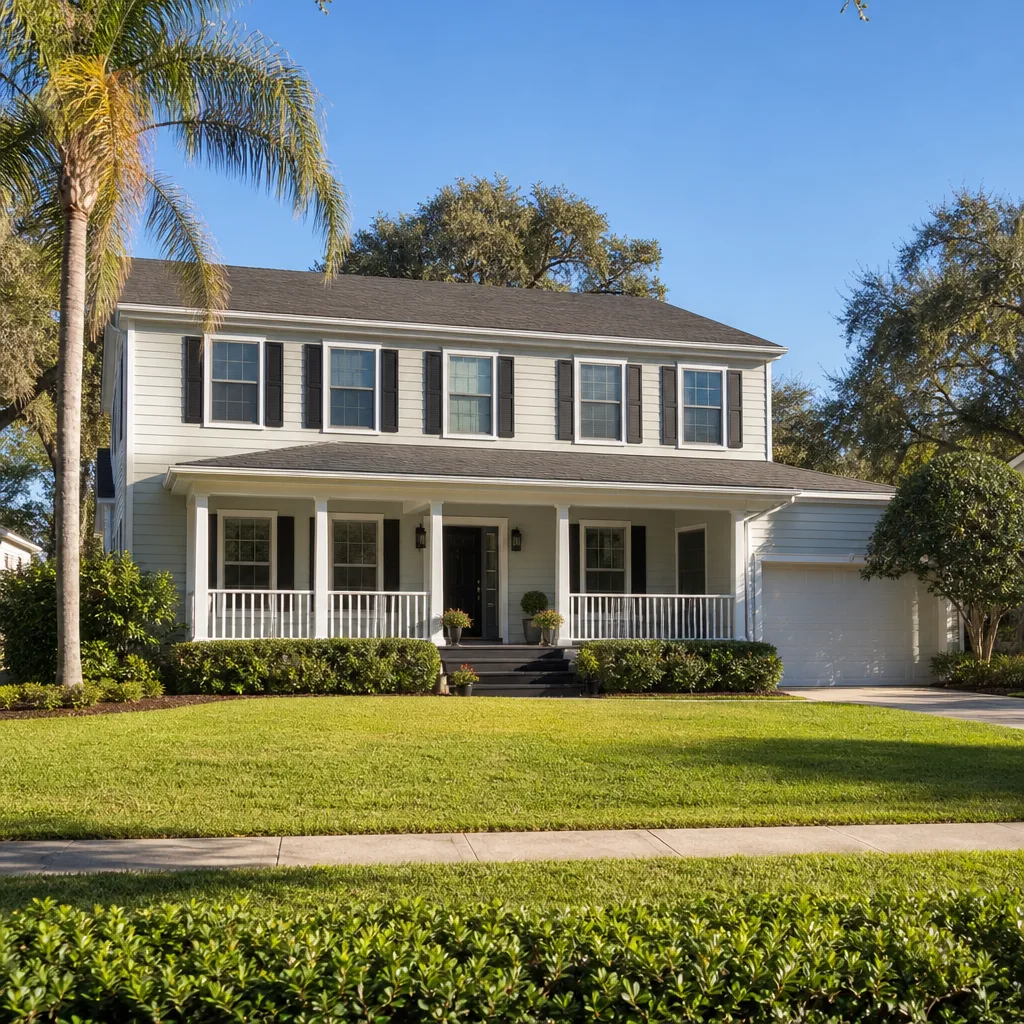
A full IKO home addition in Los Angeles runs $53,100 to $153,400. An ADU construction project ranges from $106,200 to $259,600, and a garage conversion falls between $35,400 and $94,400. But if you’re here because a part of an existing IKO addition is failing, the specific repair matters more than the full-build number. A tie-in flashing repair on an addition roofline runs $470 to $2,125, and a partial re-roof of a small ADU runs $4,130 to $12,980 depending on square footage and whether the existing deck is sound. If the underlayment has failed under good IKO shingles, you’re looking at a strip-and-replace, not a patch.
Every one of those numbers is a written price before we start work. That’s not a promotion. It’s how we’ve operated since 2004, and it’s the only way Isaac Pruett will run a job. The written price includes materials, labor, debris hauling, and the permit coordination if Los Angeles Building and Safety requires it for your addition or ADU.
DIY or Call Us?
If you’re walking a roof with a tube of flashing caulk to seal a drip stain, stop. A roof leak at a tie-in detail is not a caulk problem. It’s a water-path problem, and sealing the visible entry point just moves the water somewhere else, usually into your wall cavity or your ADU’s insulation. The safe, useful thing an owner can do is document what you see: date-stamped photos of the staining, granule loss, or curling, plus any matching shingle wrappers you find in the garage. That’s genuinely helpful when we show up.
Working on a roof in Los Angeles means working at height with a nail gun, on a surface that’s hot enough to cook meat on in August. If the work requires a ladder and a harness, call us. We’ll send a crew you’ve met by name and photo before they arrive. Call (213) 632-5711.
FAQs
IKO architectural shingles last 18 to 25 years on Los Angeles homes when the underlayment and flashing details are installed correctly, though sun-exposed south slopes may see granule wear at the 15-year mark. Call (213) 632-5711 and we’ll give you an honest read on whether your addition roof is at half-life or end-of-life.
It depends on the failure point: step-flashing corrections and localized shingle replacement are repairs, but once the underlayment is compromised or the deck shows rot, the roof needs to come off and go back on properly. Call us for a written assessment with line-item pricing before anything gets torn apart.
A small ADU roof, under 700 square feet, is typically stripped and re-shingled in one to two days once permits are in hand and materials are on site. Larger additions take longer, and we’ll give you the completion date in writing before we start.
Yes. We keep IKO shingles, ridge caps, starter strips, and RoofGard underlayment stocked for the common Cambridge and Dynasty lines, and we can have the less-common colors and series from our Los Angeles supply partners within a day or two. We also work with KraftMaid cabinetry, Cambria, and Silestone surfacing for the interior side of additions and ADUs, so the full project doesn’t have to bounce between contractors.
Written by Isaac Pruett, Owner, Mason Remodeling Co at Mason Remodeling Co Los Angeles, serving Los Angeles and nearby areas.
Know who’s coming, know what it costs, know it’s guaranteed – everything else is just noise. For a free estimate on your IKO addition or ADU project in Los Angeles, call (213) 632-5711.


