
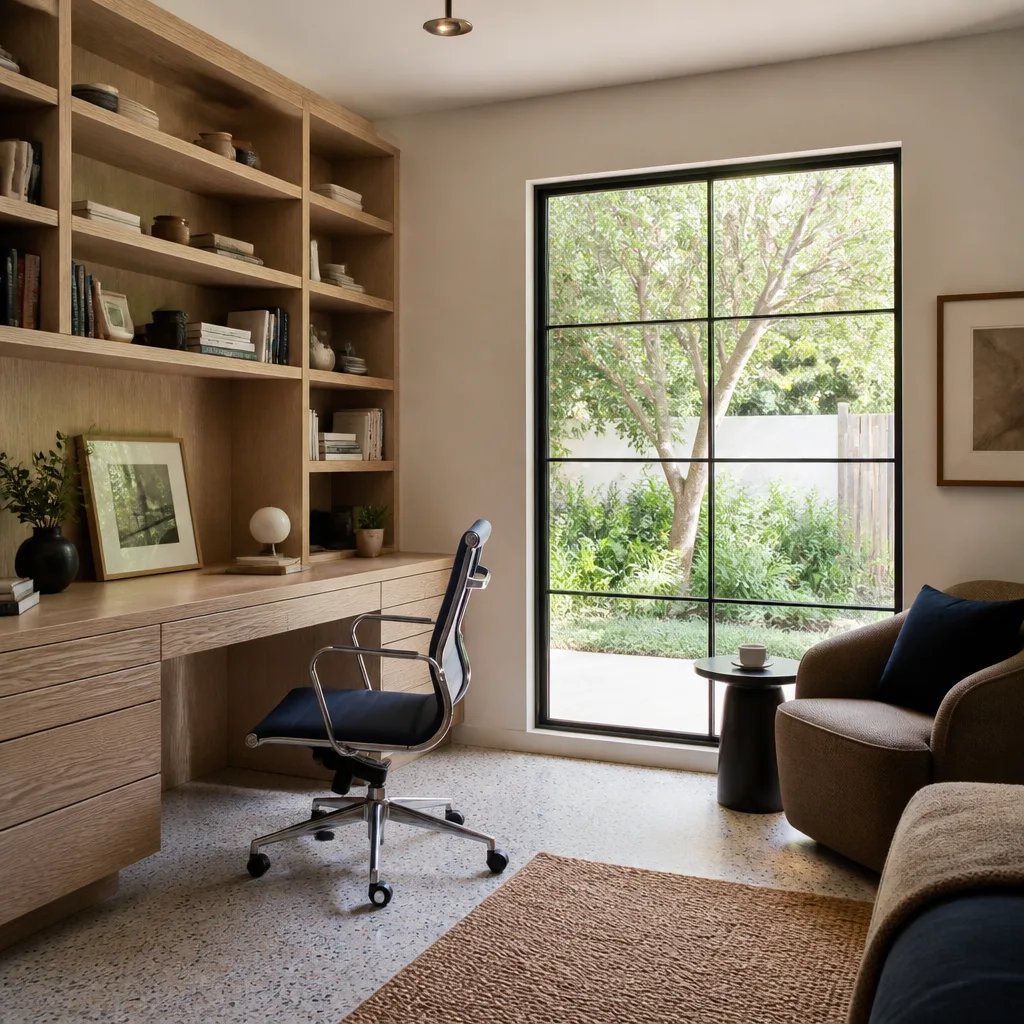
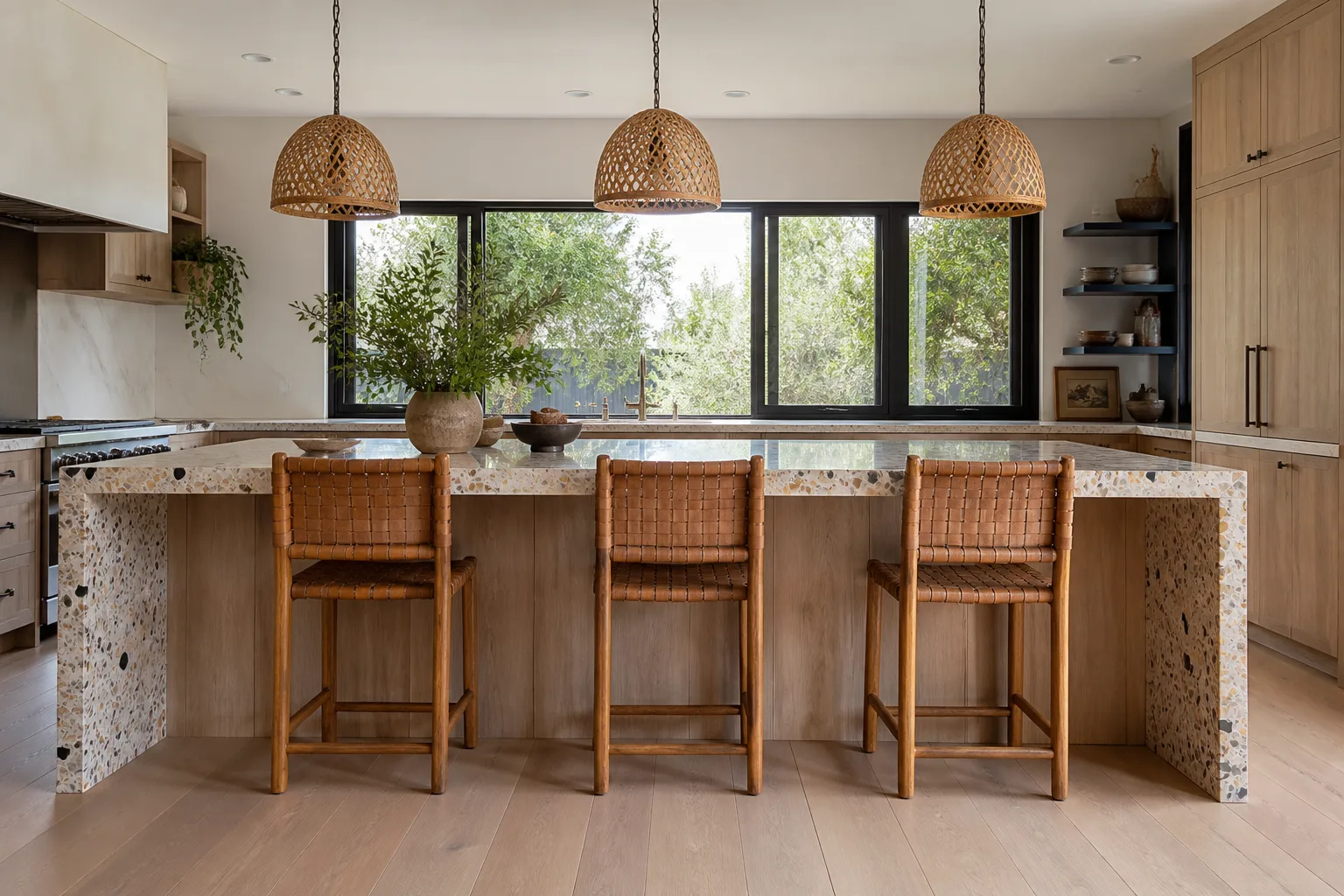
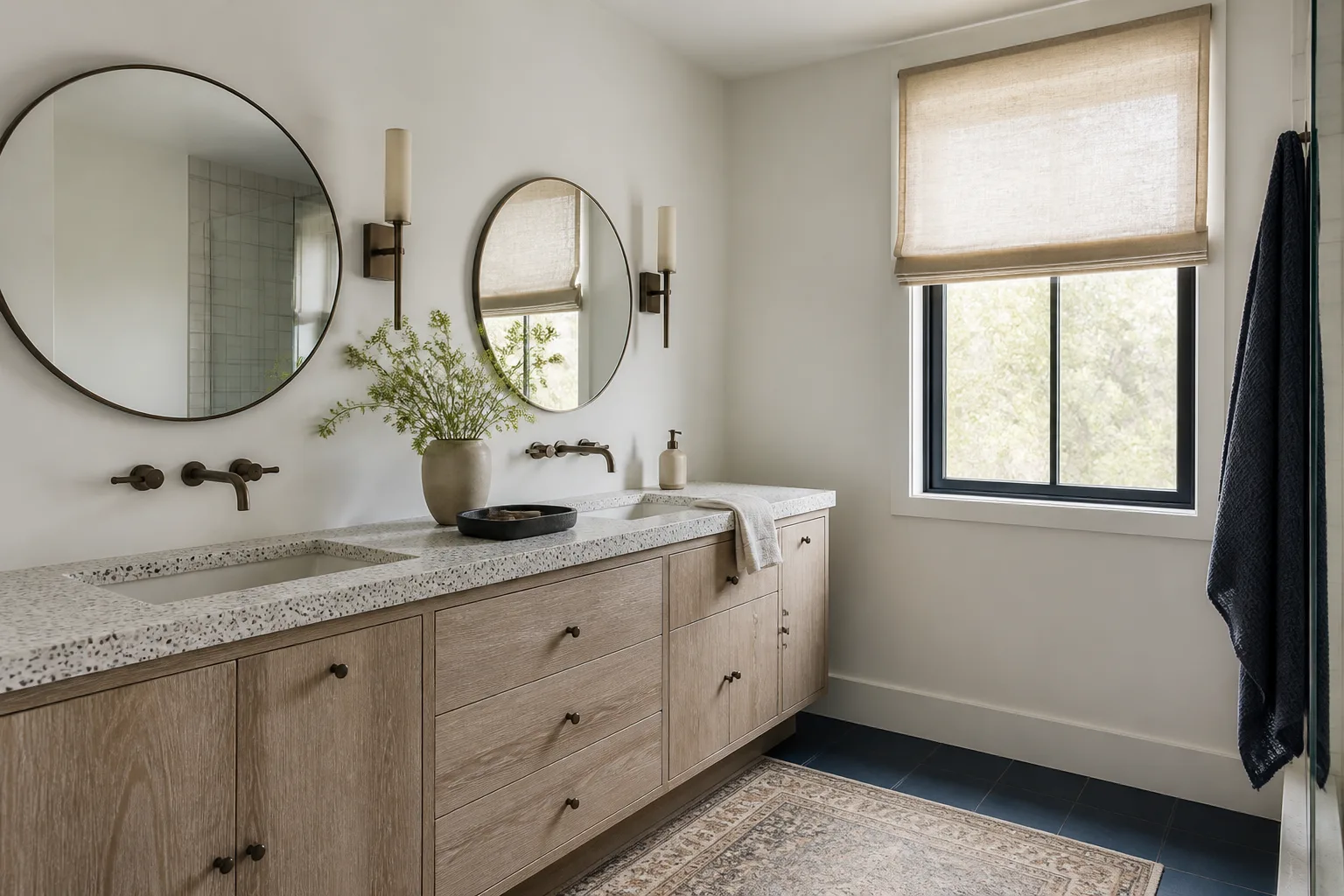
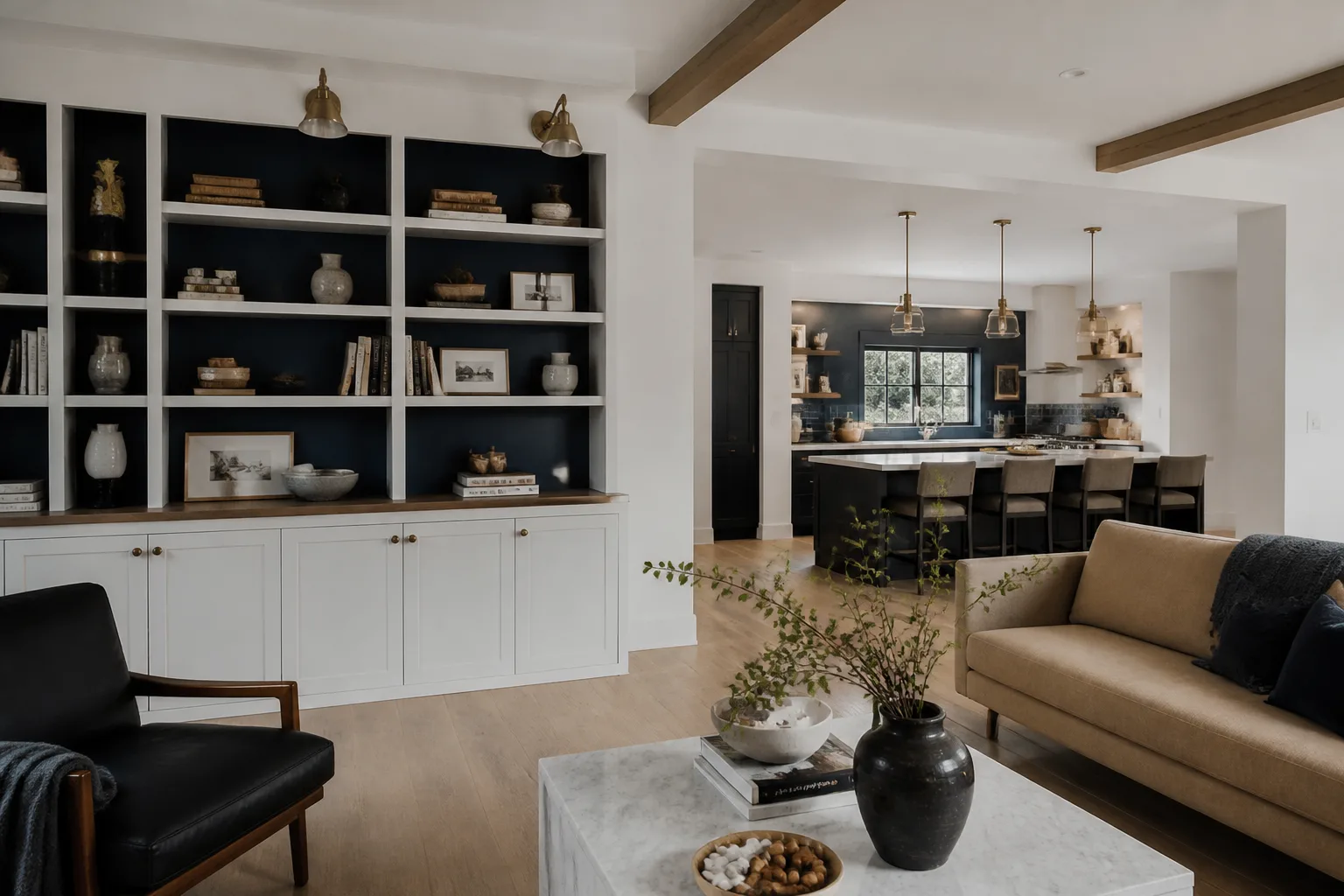
Free written scope consultation - allowances, timeline, and change-order rules on paper before a single trade is scheduled
Tamko Home Additions & ADU: The Los Angeles Owner’s Guide
If you have a Tamko product tied to a home addition or ADU project in Los Angeles and something’s failing, here’s the short version: we install and service Tamko-compatible home additions and ADU components across the city, with full projects typically running $53,100 – $153,400 depending on size and scope. Most owners discover the problem the hard way – a leak at a flashing point, a door that no longer seals, or a window that’s started binding in its frame after the addition settled. The good news is that Tamko’s product line is well-documented, and we can usually identify the failed component on the first visit.
Mason Remodeling Co Los Angeles is an independent service provider, not affiliated with Tamko. That means we’re free to give you straight answers about what’s worth repairing and what’s worth replacing – no brand loyalty getting in the way of what’s right for your home.
Which Tamko Models This Applies To
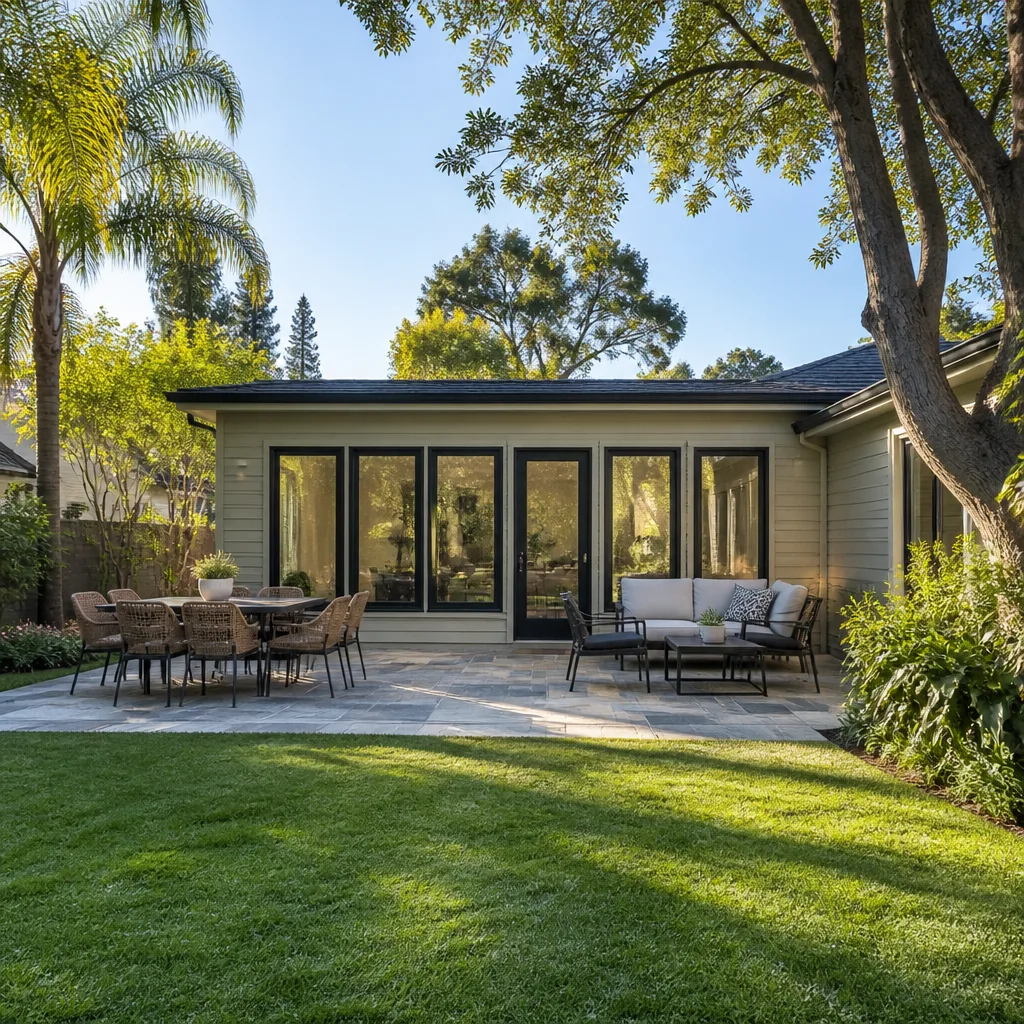
Tamko’s residential roofing and waterproofing products span several series lines, and the compatibility question matters more than most people realize. The Heritage series shingles, for example, use a specific adhesive strip formulation that, in Los Angeles heat, can cure differently than the Titan XT or StormFighter lines. If you’re patching an ADU roof and grab whatever’s on the shelf at a big-box store, you may get a color match but not a performance match. The adhesive won’t bond the same way, and you’ll be back on the roof in a year.
For additions and ADU-specific applications, the key spec is exposure width. Tamko shingles are manufactured for either 5-inch or 5-5/8-inch exposure depending on the series, and you cannot mix the two on the same plane without visible seams and early failure at the lap lines. Check the bundle wrapper or the back of an existing shingle for the series name. If it’s faded, measure the exposure on three courses and take the average. That takes five minutes and tells us exactly what we’re matching before we quote the job.
On the OEM-versus-aftermarket question: for Tamko roofs specifically, we recommend OEM for anything on a visible roof plane, because Tamko’s granule color lots vary enough that a “close enough” aftermarket shingle will look wrong in afternoon light. For underlayment, edge flashing, and ridge cap, quality aftermarket equivalents from GAF or CertainTeed perform just as well and often cost 15 – 20% less. We stock both options and tell you straight which one makes sense for your situation.
Styles & brands we work with







Signs Your Tamko Home Additions & ADU Is Failing
- Granule accumulation in gutters or at downspout elbows. This is normal for the first year and a warning sign after that. When the asphalt core starts drying out in LA’s dry heat, granules release faster, and the shingle loses UV protection. If you’re seeing a tablespoon of granules per foot of gutter per month, the roof is telling you something.
- Corner lifting on shingles facing south or west. Los Angeles sun hits those exposures with intensity, and the adhesive strip eventually loses tack. A lifted corner catches wind, flips back, and tears. This is the number-one failure we see on ADUs with no shade coverage.
- Water staining on the underside of the roof deck, visible from the attic or interior ceiling. By the time interior paint bubbles, the leak has been active for weeks. Tamko’s felt-backed shingles can wick moisture laterally, meaning the stain shows ten feet from the actual breach. That’s why you don’t just patch the stain location.
- Brittle, cracked flashing at dormer junctions or where the ADU ties into the main house. The flashing isn’t a Tamko product – it’s a transition material – but when it fails, water runs under the Tamko shingles and rots the deck. On additions, this joint is the most common leak point in Los Angeles, especially after a wet winter followed by a hot dry summer.
- Shingle edges that snap clean off when you gently lift and bend them. A healthy shingle flexes. A sun-baked one fractures. If you can break off a corner with two fingers, the roof has exhausted its useful life, and spot repairs become a money pit.
See the difference
 Before
 After
After Before
 After
After Before
 After
AfterReplacement Cost & What’s Included
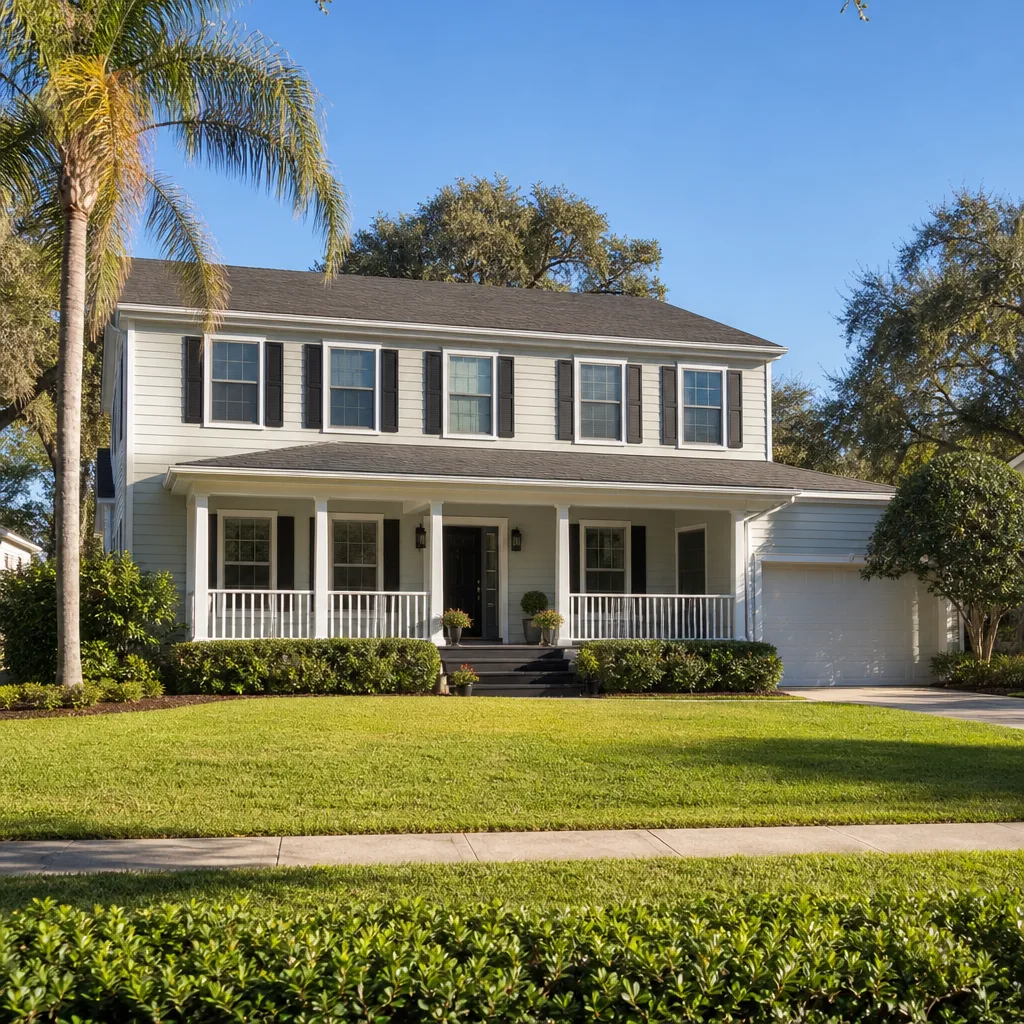
For a full Tamko home addition or ADU project in Los Angeles, you’re looking at $53,100 – $153,400 installed. The spread comes down to square footage, roofline complexity, whether we’re tying into an existing structure, and how much of the old material needs to come out before we build back. A straight garage-to-ADU conversion with a simple gable roof lands at the lower end; a two-story addition with multiple valleys, dormers, and new plumbing stacks runs toward the top.
Every quote we write includes the same line items: demolition and disposal, framing and structural work, roofing and waterproofing, the Tamko or compatible materials specified, labor, permit coordination, and a written warranty. We deliver that price in writing before any work starts – no verbal estimate that grows, no change-order surprises. The workmanship warranty runs 365 days from the completion date, and if something fails in that window, we come back and make it right at no cost.
For smaller Tamko-related repairs – re-flashing a junction, replacing a section of failed underlayment, or re-securing lifted shingles – you’re generally looking at $470 – $2,125 depending on scope. These are durable, honest repairs, not band-aids, and we’ll tell you if a repair won’t hold.
DIY or Call Us?
There are things you can safely check yourself. Walk the perimeter when the light is low, look for lifted corners and granule piles, and photograph anything that looks off. Check the attic on a hot day for dark streaks on the underside of the deck. Those observations help you decide whether you need us at all.
What we don’t recommend is getting on a roof yourself, especially a two-story addition or an ADU with a steeper pitch. Falls happen fast, and a Tamko roof with loose granules is slick even when it’s dry. The work itself – stripping, flashing, re-nailing with the right pattern, and sealing in LA’s heat – goes wrong quietly. A wrong nail schedule voids the Tamko warranty and gives you a roof that fails in year two. If you’ve spotted symptoms, call us at (213) 632-5711. We’ll come out, identify the exact issue, and give you a written price. Then you decide.
FAQs
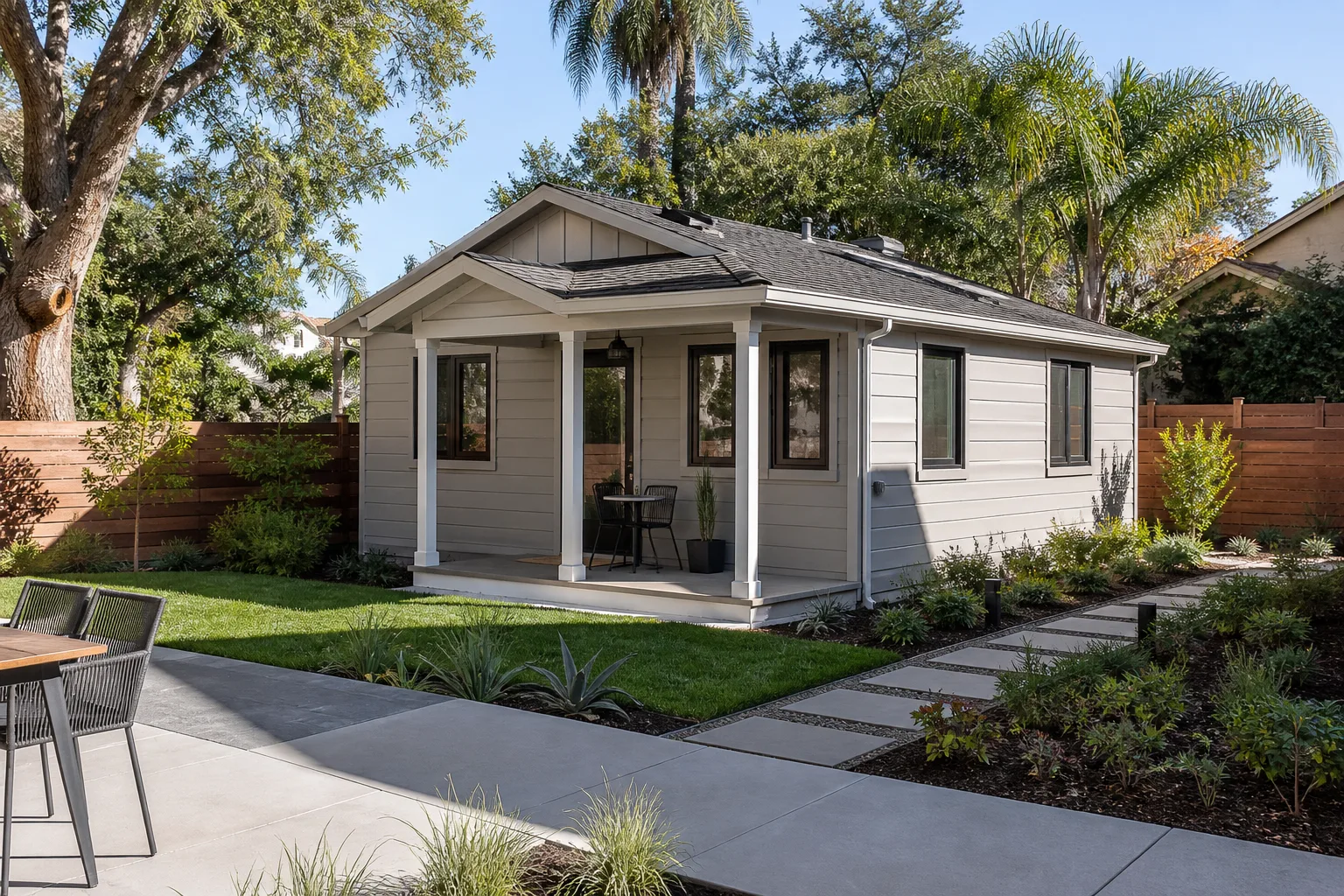
A properly installed Tamko roof on a Los Angeles addition or ADU typically lasts 18 – 25 years, which is slightly shorter than the national average because our UV exposure and dry heat accelerate asphalt oxidation. Regular inspections after year 12 catch most failures early. Call (213) 632-5711 if your addition is in that range and you want an honest assessment.
Yes, if the failure is localized – a flashing joint, a small section of lifted shingles, or a single penetration point. If you’re seeing granule loss across the entire roof or brittleness on multiple planes, patching becomes more expensive than replacing within a year. We’ll tell you which camp you’re in before we quote anything.
Most full additions or ADU conversions in Los Angeles run 3 – 6 months from permit approval to final inspection. Roof-only replacements on an existing structure usually take 3 – 7 days depending on weather and complexity.
We maintain inventory of Tamko-compatible underlayment, flashing, and sealants on our trucks, and we source OEM Tamko shingles from our local supplier with two-day turnaround for standard colors. If you have a discontinued color lot, we’ll match it with the closest current-production shade and show you a physical sample before we install.
Call (213) 632-5711 to schedule a free estimate. A live person answers – every call, every time – and you’ll know exactly who’s coming before they arrive.
Written by Isaac Pruett, Owner, Mason Remodeling Co at Mason Remodeling Co Los Angeles, serving Los Angeles and nearby areas.


